Safety Spotlight – Fatigue Management
Managing Fatigue on Irrigation Construction Sites
Striking a balance between operational needs and looking after ourselves and others is an ongoing focus of Tasmanian Irrigation’s approach to fatigue risk management.
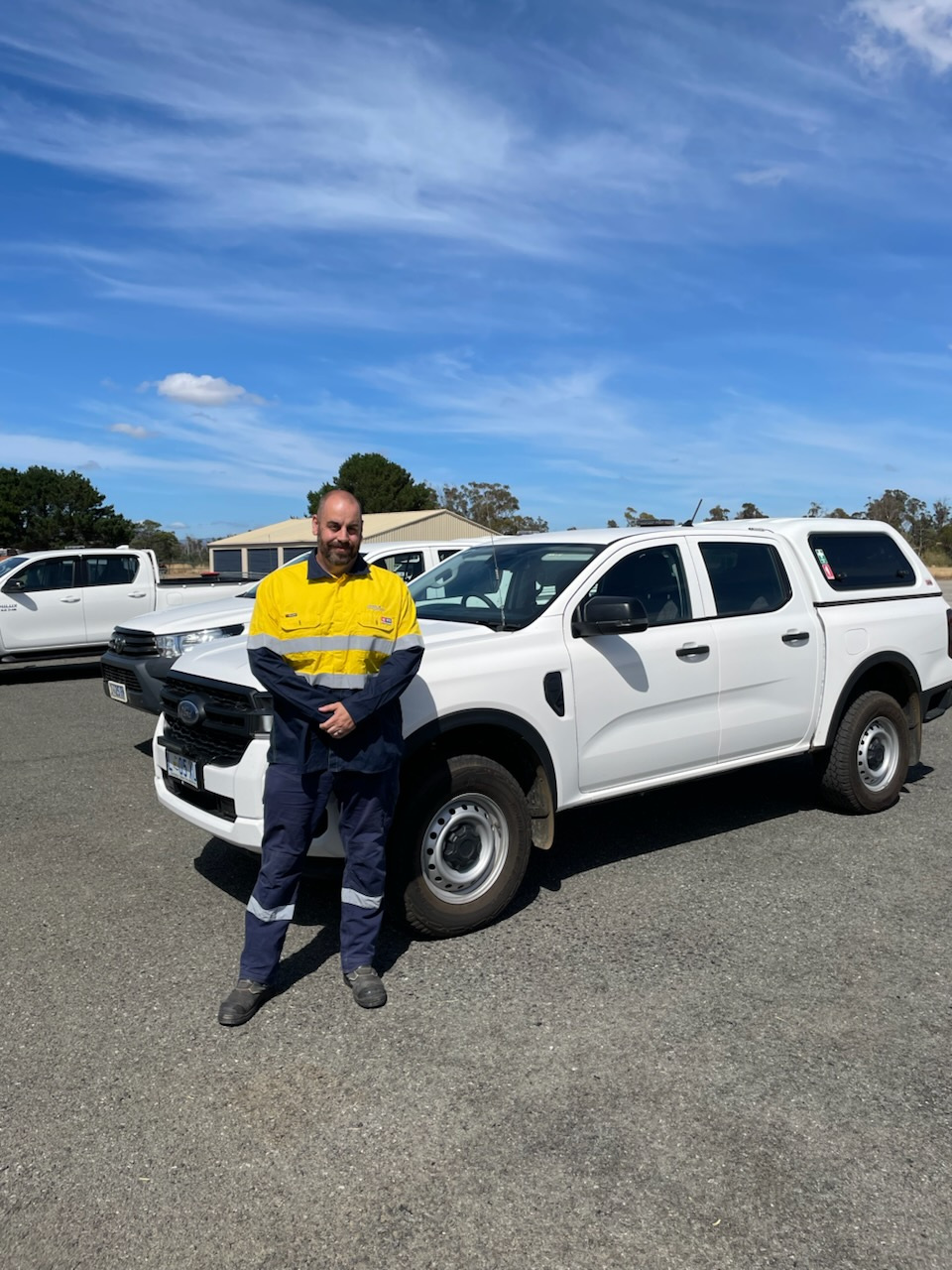
Tasmanian Irrigation’s Safety Manager James Cassidy encourages employees to speak up early if they are feeling fatigued.
“Looking after fatigue is not about stopping work unnecessarily, it is about making sure people can work safely and get home safely,” James said.
James recently provided advice on how to reduce the risk of fatigue management for a 40-hour continuous monitoring exercise at the Poatina Buffer Dam on the Northern Midlands Irrigation Scheme.
“One of our engineers finished a block of overnight hours and the team arranged for a warm breakfast to be brought to site and for someone to drive him home, rather than accepting the risk of him driving in wet conditions on back roads while fatigued,” James said.
“This really demonstrated that the fatigue procedure had not been used as a tick-box exercise, the team genuinely used it to make changes to the way the work was designed and to look after each other.”
James said fatigue related accidents are a risk that can build slowly in the background.
“Fatigue can affect concentration, judgement, reaction time and decision-making. That matters while we are working, but it also matters after work, especially when someone still needs to drive home.
“Fatigue risk management becomes particularly important when work changes. This might include longer hours, night work, call outs, unusual start or finish times, remote work, wet weather, extra travel, or a task that takes longer than planned. When the work changes, the fatigue risk can change with it.”
James said it is essential that fatigue is considered before the work starts, not only once someone is already tired.
“A simple conversation can make a real difference. Who is doing the work? How long will it take? What time of day is it happening? How far does someone need to travel afterwards? What happens if the job runs longer than expected?
“Fatigue controls do not need to be complicated. They may include adjusting start and finish times, sharing tasks across the team, planning rest breaks, arranging transport, checking in with each other, booking accommodation, or delaying non-urgent work until people are fit to do it safely. It is also important to remember that fatigue is an everyday risk. A poor night’s sleep, a long day, physical work, stress, illness, early starts, family responsibilities, or a long drive home can all contribute. The work task may be finished, but the risk has not necessarily ended.”